Coming Back to the Cushion
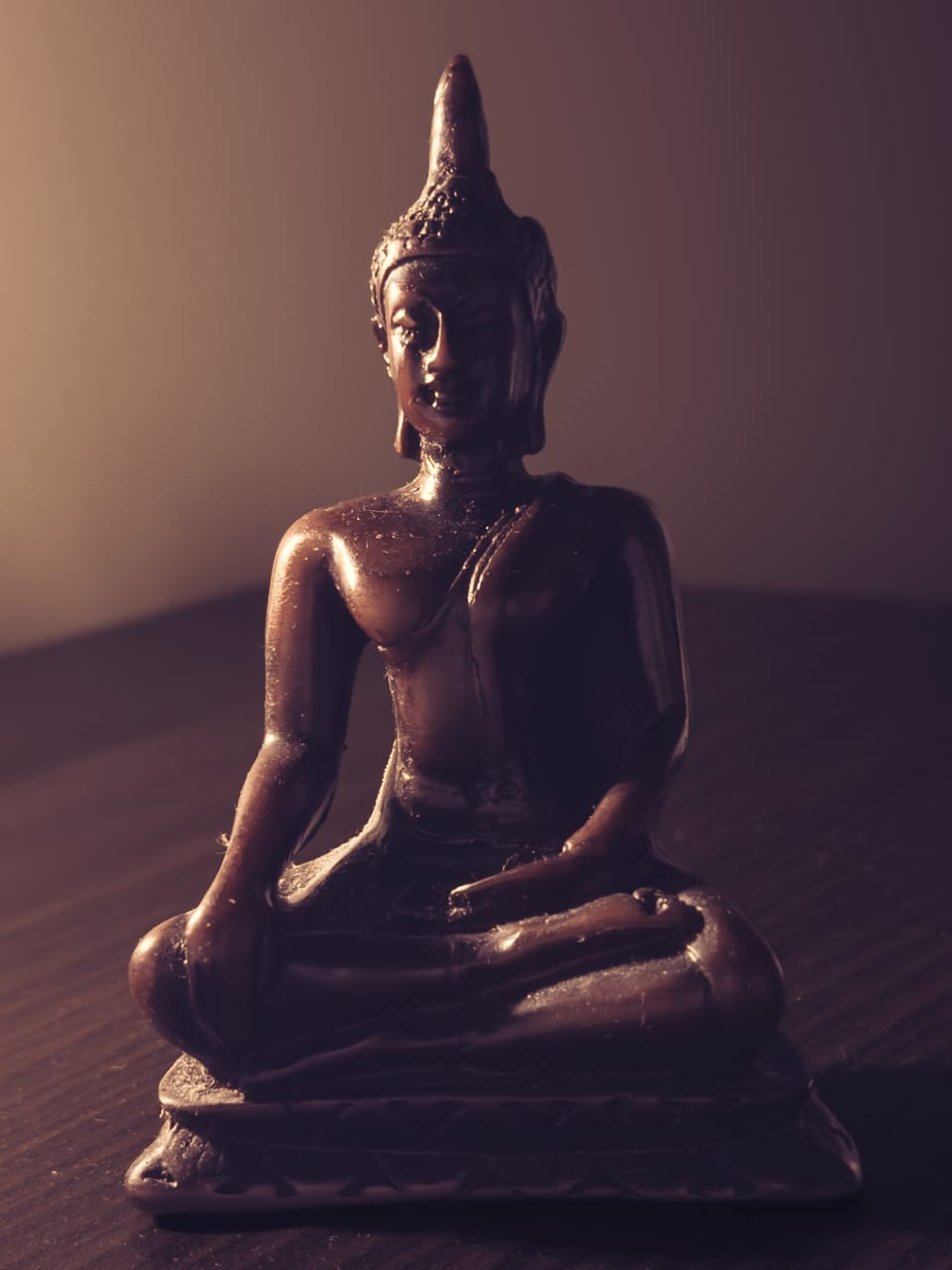
I mentioned in my birthday post that I had started a meditation practice. I can appreciate why people refer to it as a practice rather than an activity. Sitting still, almost entirely quiet, with only your mind is hard. More challenging still is finding the time and the will to sit down in silence.
— A Meditation on the New Year
That post, written way back in January, has lingered on my mind through most of the year. I did well with meditation for a few more weeks before my first trip to the Philippines and Bangkok. During that trip, I didn't make the time to meditate, and then once I returned, I still didn't. It stayed like this for many months until the end of July when I made a commitment to start again.
A few things happened that month that made me start to think about it once again. I decided to put in my notice at the hotel I was working at and left at the end of July. This was in anticipation of the second trip to the Philippines and the coming birth of a new child in December. Knowing that I was going to have more time on my hands, I wanted to start doing things that I kept putting off. Meditation came to the forefront and became a priority again.
The lightbulb moment happened when I started reading Sit: 28 Days to a Rock-Solid Daily Meditation Habit that I had purchased back in May. Bodhipaksa writes:
If you want to meditate daily, success will not come from increasing the desire to meditate daily. If you’ve struggled with this for years, you already have all the desire you need. What you lack are strategies for reminding yourself to sit, for handling thoughts and feelings of resistance, for making it feel good to meditate, and for fitting the habit of sitting into an already busy schedule. When we focus on willpower instead of strategies, we’re doing something that doesn’t make a difference—and so we fail.
He might as well have reached out with a big stick and hit me behind the head. As much as I want to build a meditation practice, it's not going to happen without actually, you know, sitting. His book also gave permission to accept that meditating for 5 minutes is better than nothing. Not every session has to be 20 minutes or longer.
I started each day by sitting on my cushion for 20 minutes, followed by some light stretching to get the blood flowing again. Afterwards, I read that day's entry in the book. Each entry was only 3-4 pages long. Reading it became a nice way to reflect on what I had done, prepare for the next day, and reset my mind for the rest of the day.
The string of days started building up. I kept track within the Plum Village app1 which gives a pop-up after a session to tell you how many days it has been in a row. Reaching 7 days felt like a highlight. 14 felt like I was getting the hang of this. The next challenge was the trans-Pacific flight to Manila in August. With my partner snoozing beside me and the majority of the plane sleeping, I closed my eyes and put my hands on my knees to focus on my breath. At home, I can hear myself breathing on the cushion, but here on the plane, I could not hear myself over the loud hum of the plane. Tuning it out was more challenging than easing my mind. I pushed through those 10-15 minutes which helped me build confidence in meditating during the rest of the trip. If I can meditate on a plane in the early hours, surely I can find time during my trip to do so.
I continued practising through the 30 day trip and was around day 50 in a row when I returned home. I ended up becoming quite sick with a fever and bad cough that lingered for three weeks. I tried to meditate after my fever had passed, but it turns out trying to meditate while coughing is not a good mix.
During that stretch, I kept looking down at the cushion in my living room and missing it. I was frustrated with not being able to speak more than a sentence without coughing and recognized that meditation on a cushion was going to be impossible. It was a trying time, the sort of challenge that mindfulness is meant to help with.
The practice helped me especially one morning during my absence from the cushion. My car wouldn't start because of a dead battery, followed by two hours in urgent care, and then more time going for X-rays at Kelowna General Hospital to confirm whether I had pneumonia or not. It's not easy to sit and wait for that length of time. There are constant irritations beyond just waiting. Others coughing, people sitting too close to you, trying to start a conversation with their neighbours (or worse, you), and watching others fail to handle their own impatience.
But there I was, sitting quietly through it all, able to not let others affect me and throw me off my own peace. I read on my phone while doing my best to ensure I didn’t have a coughing fit unexpectedly. I observed what was happening around me, and set it aside knowing I didn't need to judge the people going through the same or a worse difficulty than me. I took it slowly, letting things happen as they happened until I was ready to head home.
After three weeks, my cough subsided (it wasn't pneumonia), and I started to sit once again. Picking up the habit this time, the third time, was much easier than before. The first time sitting for 20 minutes felt like nothing had changed. I was riding the bike once again. I am approaching 30 days now, with only a few sessions under 20 minutes, and feeling happy that I was able to restart it so easily.
These two long periods of meditating have helped me in multiple ways. I don't find myself reacting the same way to frustrating situations that occur with work. In the past, I would read an email that irritated me, and then would want to write a passionate reply to rebuke that person. Now, I set it aside, stop thinking about it, and return to it with a calmer approach.
I can still overthink after those moments, but I’m finding it easier to recognize when it happens and reset my mind. Those peaceful moments of reset make me feel good and encourage me to continue this practice. A quiet reminder to me that it actually works.
As an introvert, quietness has generally been more comfortable for me. The difference now compared to June and before is that I am able to do it without my phone or TV on. I have been reading far more regularly and frequently through the day. Quickly approaching 13 books read since mid-July – far more than in previous years.
It has also made me more confident in ways and not doubting myself as much. That has shown up with writing (somewhat) more regularly on this site, but also in my paid work. Sitting on the cushion has helped me notice the importance of rhythm to my work life through current clients, networking, and developing a newsletter for the hotel industry. I also became more flexible, physically, thanks to the stretching after each session. There have been some of those dumb, surprising moments of, "Oh, so this is what it feels like to touch your toes without bending your knees that much!"
I'm not complaining, of course. It's neat to recognize those little things.
How I have been meditating over this time has shifted from guided meditations (mainly listening to Thich Nhat Hanh speak slowly and quietly every five minutes) at the beginning to doing silent meditations, starting with a morning chant. I felt antsy at first about how long the 20 minutes were going. Now, 20 minutes of silence feels like nothing.
When I started, I watched the number of days grow in the app. By the time I got sick, I had sat for about fifty days in a row. Then I spent three weeks looking at the cushion and missing it.
Some of what I had been practising stayed with me. In the waiting room, I could notice my irritation and remind myself that the other patients were having a difficult morning, too. When I could sit again, the twenty minutes felt familiar. I had lost the streak, but returning was easier than I expected.
I still overthink. I still get irritated. I’m getting better at noticing, and sometimes that gives me enough room to respond differently. I’ve been writing more, too. That matters to me. So does being able to sit down again after three weeks away.
 Bodhipaksa

- The Plum Village app is a free mindfulness app with guided meditations and teachings from Thich Nhat Hanh and his monastic community. It also includes a meditation timer for silent practice and a bell of mindfulness that can provide reminders to pause during the day.↩︎
Member discussion