Bangkok: Sawasdee Khrap
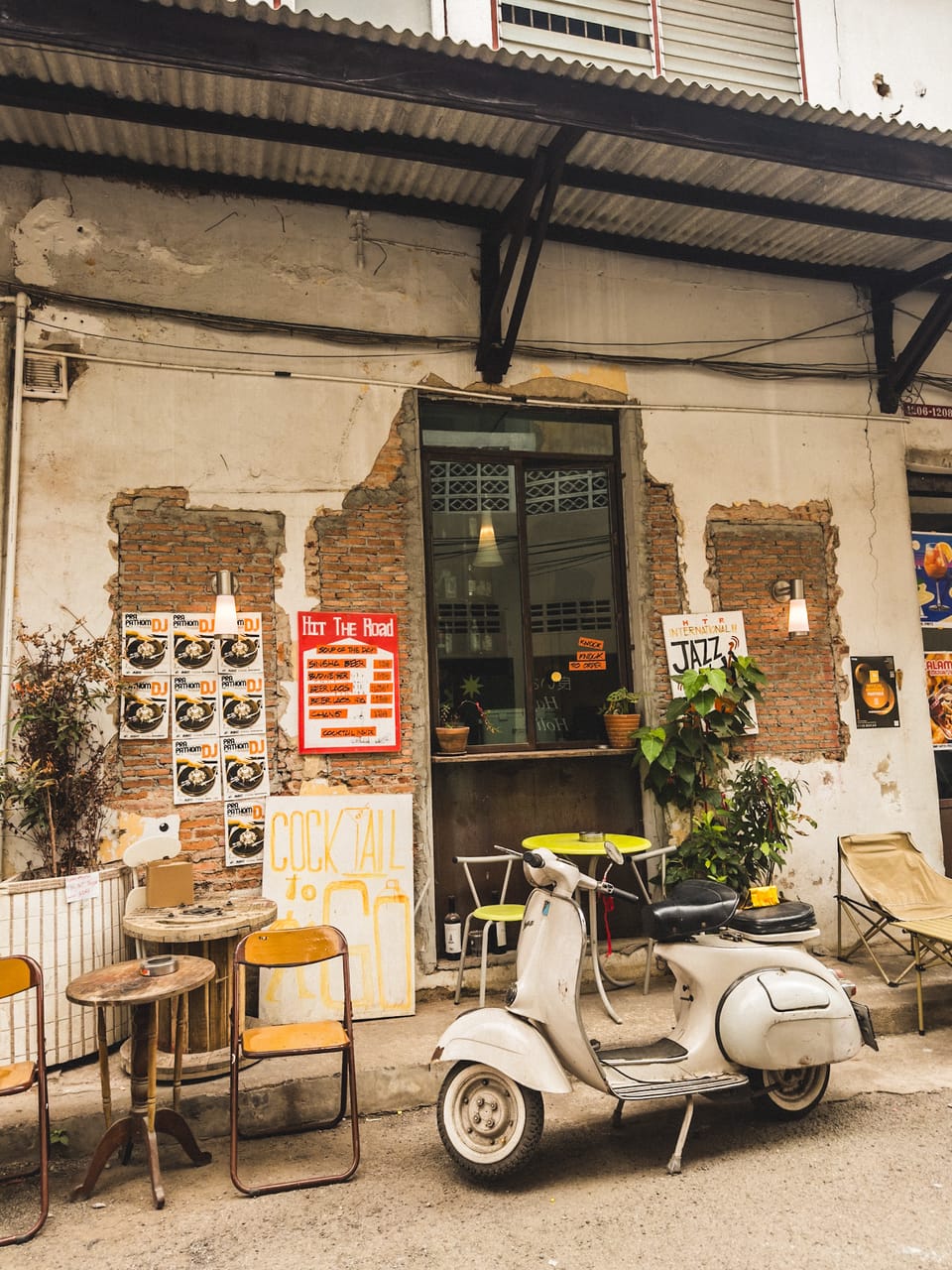
Mega developments are erasing any hint of texture or humanity from Shibuya-ku and Minato-ku.
— Craig Mod, Eras
I highlighted those words as soon as I read them, and they’ve stayed in my head rent-free ever since. The humanity part I understood perfectly well from the various cities I have lived in or visited over the years, but what did Craig mean by texture in a neighbourhood? In his essay, he traced the different eras in Tokyo and how the city has changed over time. The word texture remained elusive to me until I set foot in Bangkok, Thailand.
A planned trip to the Philippines to see my girlfriend (who had been away for three months) and meet her family started with a side trip to Thailand. I let her plan most of the Bangkok trip. We picked the hotel together, but the area was her idea: Chinatown.
The journey from the airport to the hotel was simple, as was getting through immigration. No long lines, no lengthy interviews with an agent. A stamp in our passports, and off we went. The ASAI Bangkok Chinatown hotel was perfect for us and the trip. Close to the metro station, a vibrant street culture invited us to stay outside rather than inside.
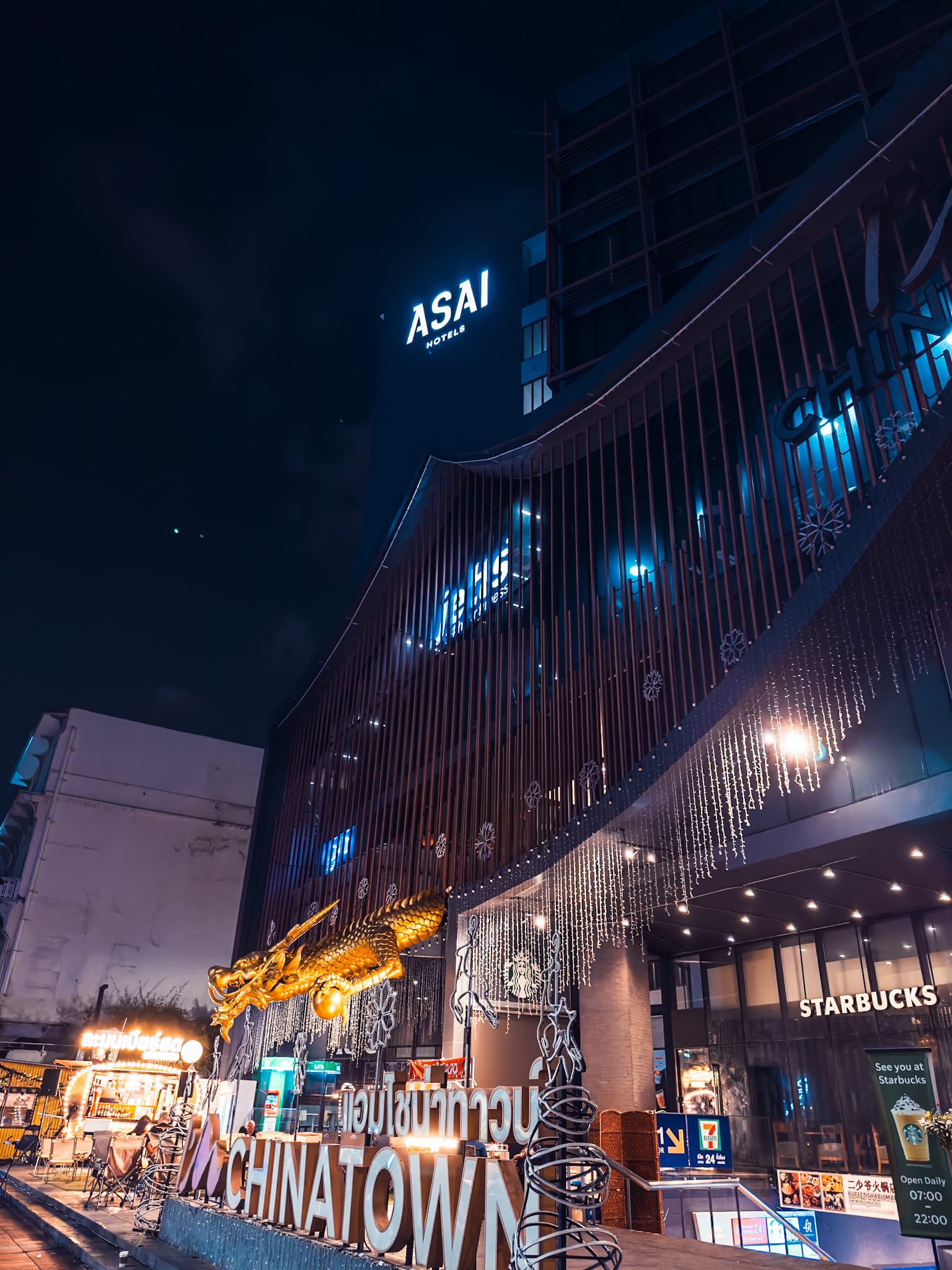
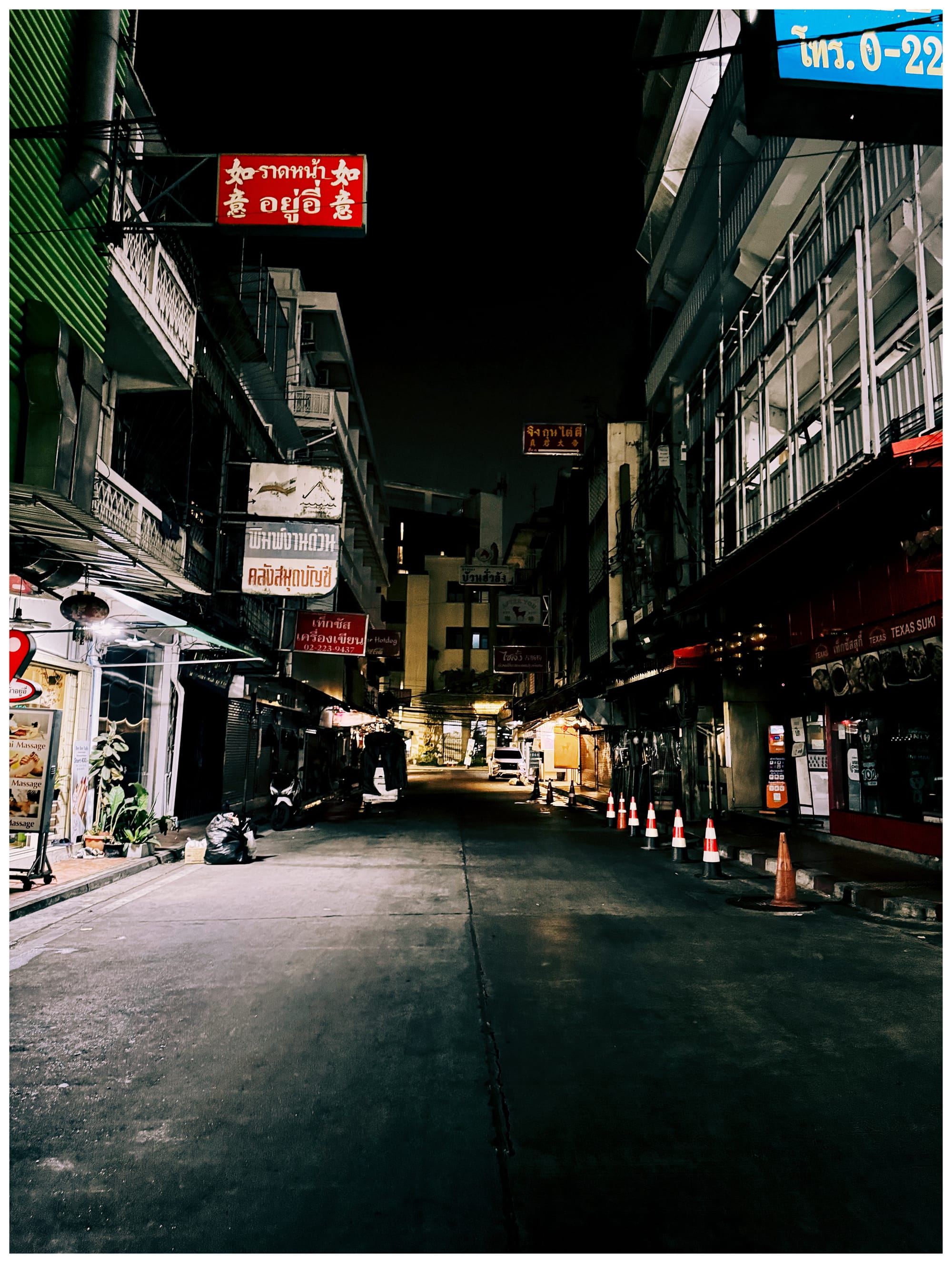
After dropping our bags in the hotel room, we stepped outside to explore and find food. The road we walked down was dark except for the glow of the lit-up signs featuring the various massage parlours and other storefronts. It was quiet in the evening as we passed by all the store fronts, but the further we went, the noise started to build, the sky opened up, and the white lights of the massage parlours were replaced by the layers of neon signs along Yaowarat Road. We were in the heart of Chinatown.1
The streets are full of life from the ground to the sky. The main draw, especially at night, is the food. During the day, restaurants are open to the streets so people can come and sit right down; at night, tables are set up on the sidewalks making it difficult to avoid the smells and sights of all the food. Mix in street vendors selling anything from mango sticky rice to barbecued foods to roasted chestnuts, the options—and the smells—are abundant.
We came back to experience the street food several nights during our five-night stay in Bangkok. My girlfriend found the best of the best food stalls and Michelin-starred restaurants. I was really impressed by how organized everything was, from the food stalls to how the pedestrian walkways changed from the daytime to night every evening to accommodate the expanded eating areas.
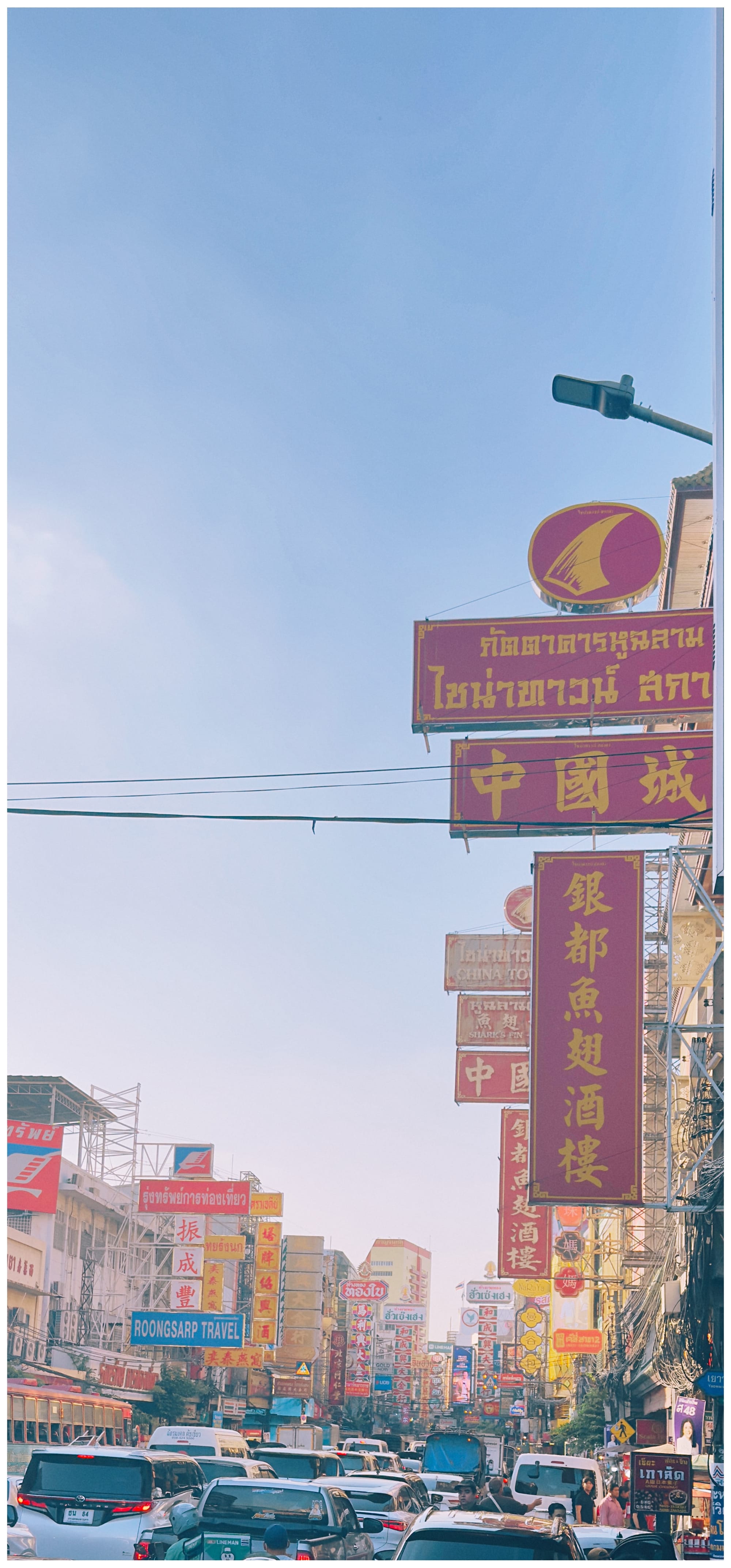
The roads, on the other hand, are chaotic. Traffic is congested with cars and delivery trucks, but also motorcycles, scooters, and the infamous tuk tuks. Having motorcycles and scooters squeezing through vehicles at high speeds had me wondering about the accident rates in these big cities. For pedestrians crossing roads, there are few stoplights and pedestrian crosswalks from what I saw. Getting to the other side was like playing Crossy Road: the cars don’t stop for you unless you’re almost in front of them. You stand at a crosswalk (or don’t), wait for a slight break in the traffic and take a few bold steps out into the moving traffic. Wait for the car to stop, acknowledge them with a bow of the head, then keep moving across. The first day, we were both cautious crossing the roads; by the end of the week, we laughed at the other tourists standing at the corners waiting while we moved confidently (perhaps stupidly) across the road.
Everywhere I looked, neon layered over fluorescent light, while voices rose above the constant thrum of traffic in a dozen different languages. The air carried spice, exhaust, and charcoal smoke, mingling with the faint grit of the streets themselves. Bangkok demanded attention. To move through it was to surrender to its rhythms—or be swallowed by them.
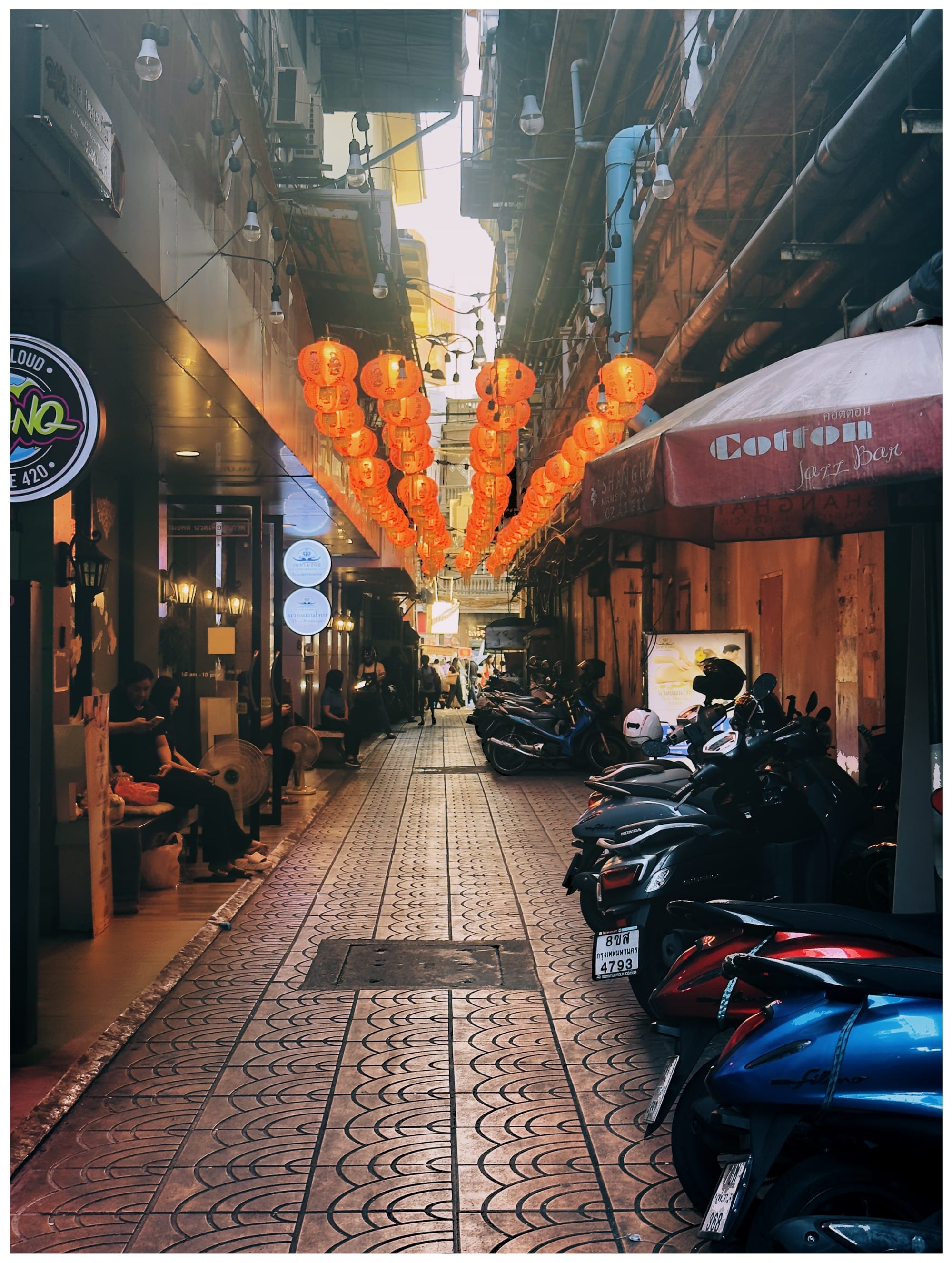
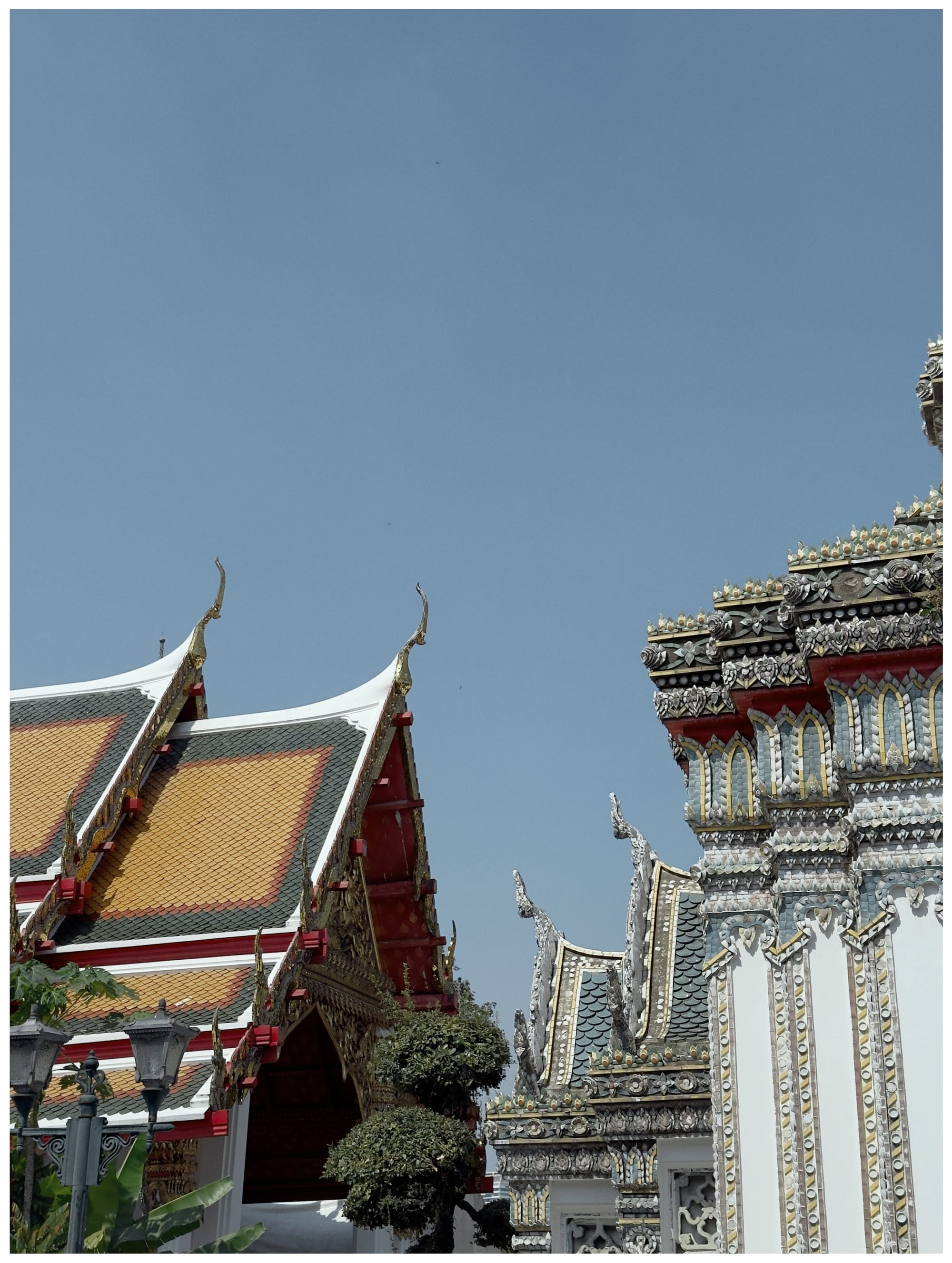
The next morning, I expected to find some relief from the busyness of Yaowarat Road by visiting one of the over 400 temples and religious sites, called wats, in Bangkok. That morning, we visited Wat Arun (Temple of the Dawn) and a few days later walked through Wat Pho (Temple of the Reclining Buddha). Wat Arun is the temple that frequently appears in television shows and movies located along the river and close to the Grand Palace. The temple is known for its grand spire of over 200 feet in height with staircases all around, allowing you to climb up towards the heavens.
People were everywhere, inside and outside the gate. Outside, vendors were selling traditional costumes for photoshoots along with food stands; inside, said people wearing the traditional costumes were floating around getting their photos taken or standing around waiting for the opportune time for their photos. A serene, spiritual retreat, this was not.
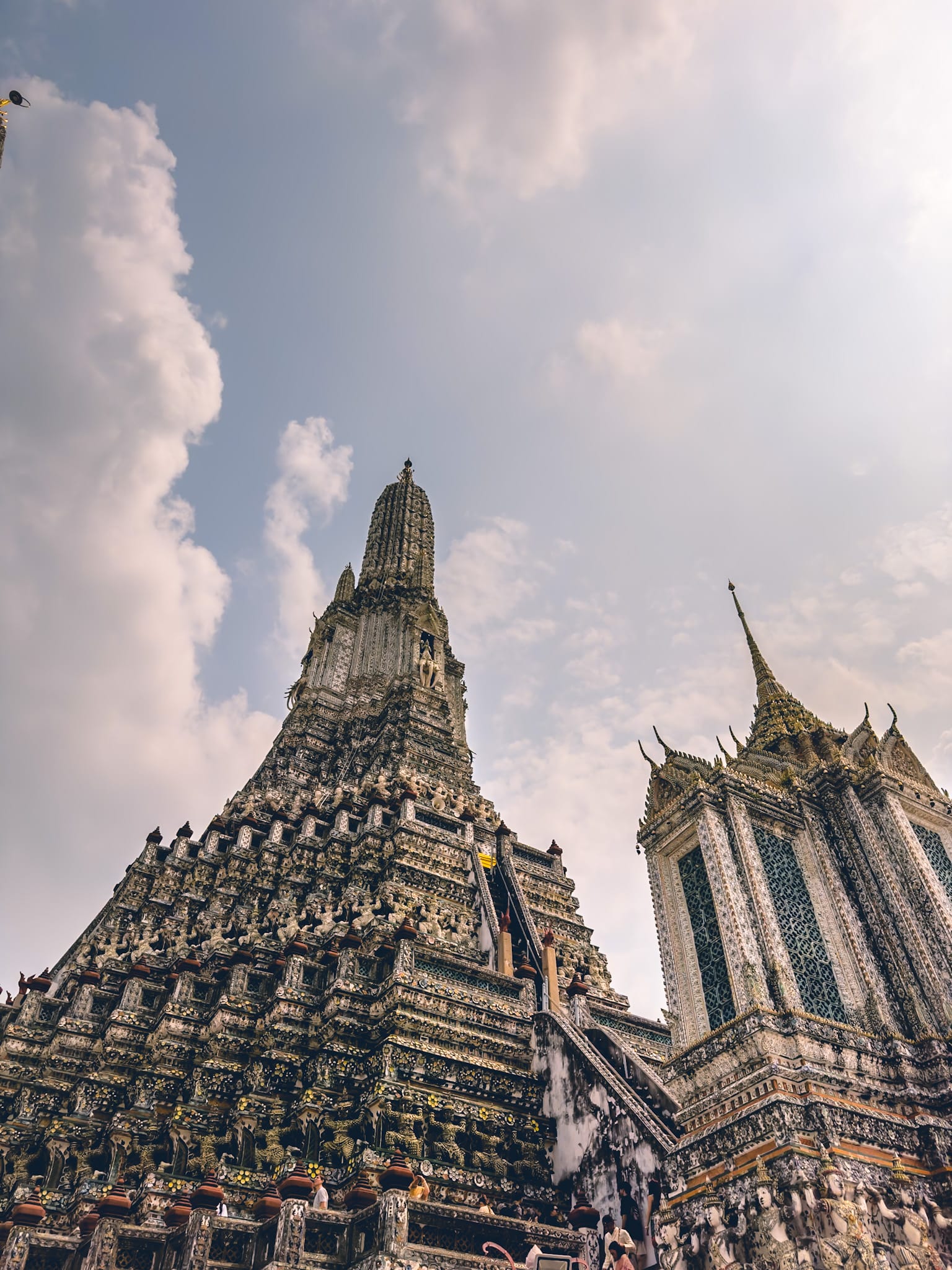
The other temple is on the opposite bank and known for its reclining Buddha statue, around 150 feet long (nearly as tall as Wat Arun’s grand spire). Housed in a large building, you are herded around the Buddha and bumped by people anxious to take their special photos of the absolutely massive statue. I couldn’t help but be reminded of my French teacher in high school that took my class to Paris: don’t try to take photos of the stained glass windows in Notre Dame, just buy the postcards.
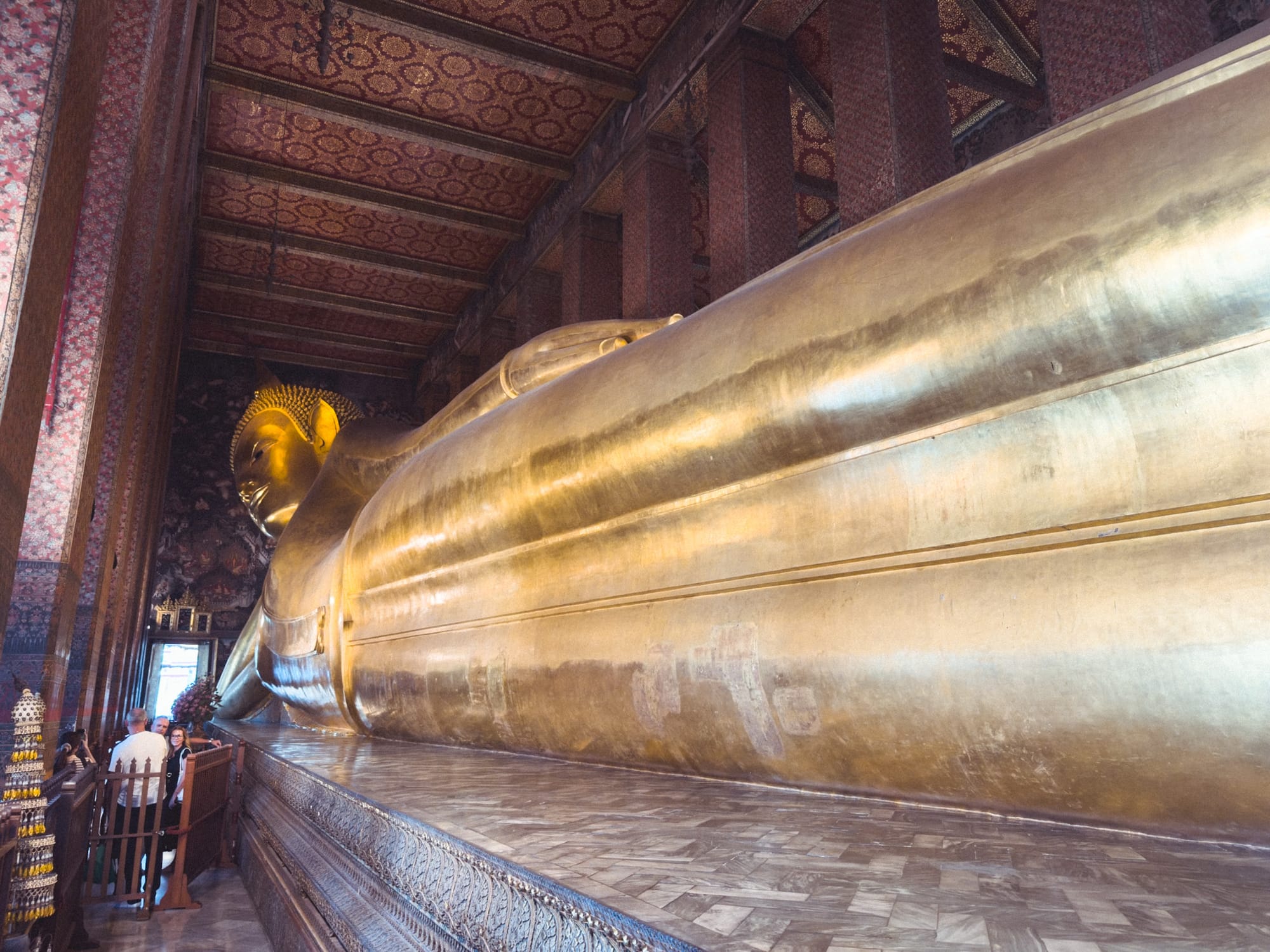
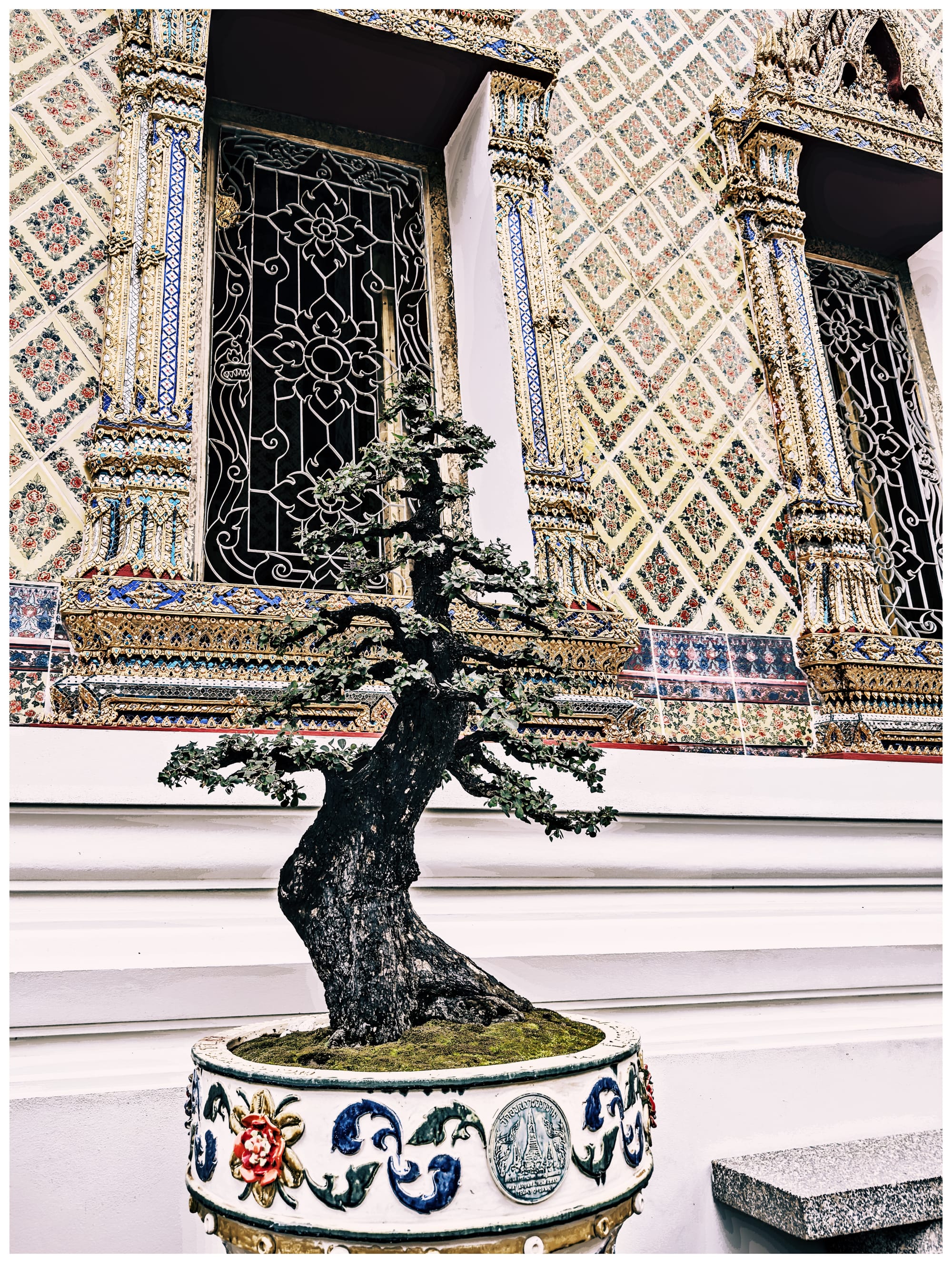
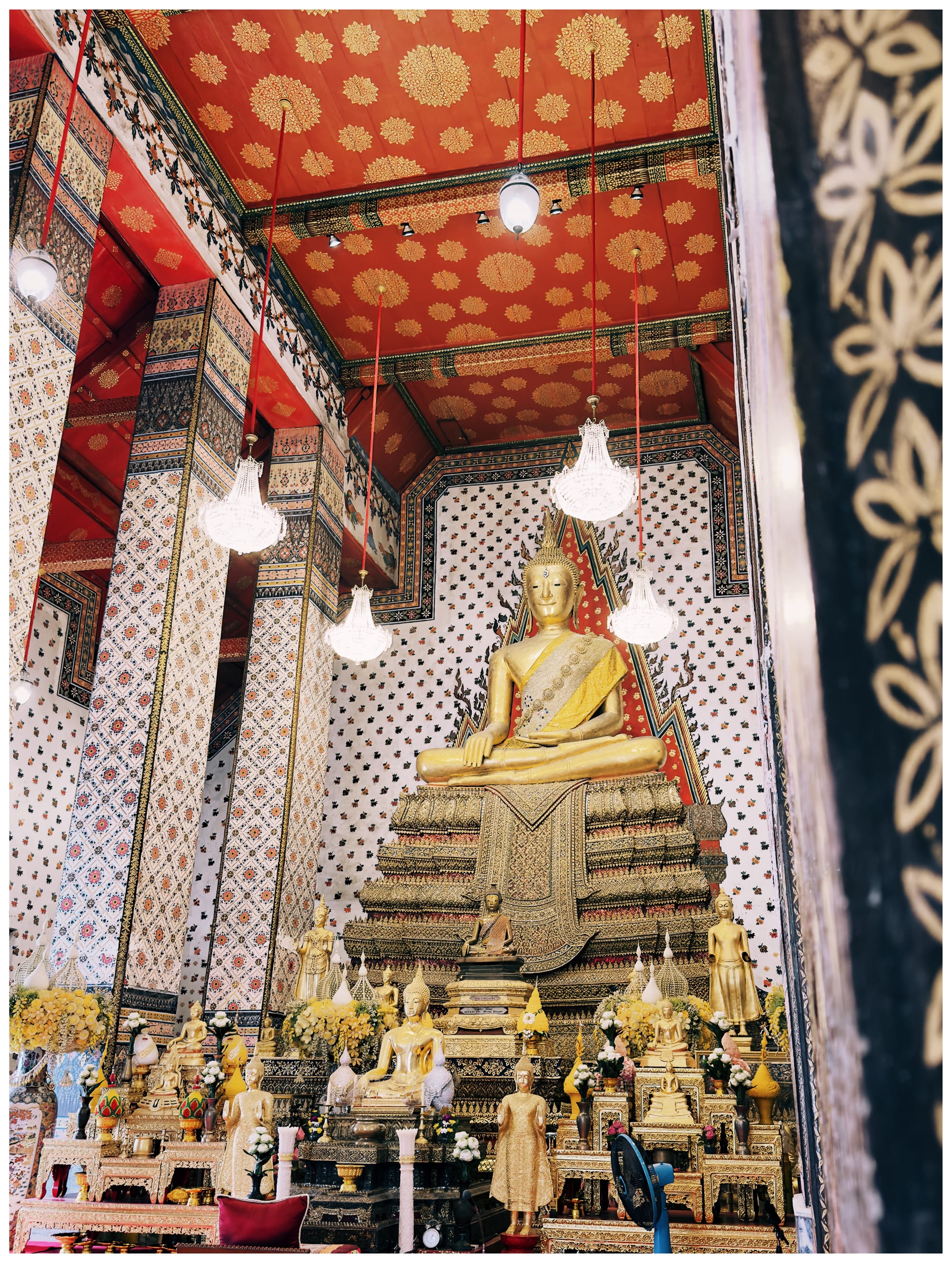
Both temples are impressive, both in size and the intricacies found everywhere. The number of statues, coloured tiles, the manicured landscape areas are awe-inspiring. I couldn’t help but think about all the man-hours that went into building and crafting everything at the site, along with the millions of people that have walked past the same places over the last 200+ years. Like when I visited the Louvre in Paris as a teenager, it would likely take me days to see everything on these temple grounds.
On the opposite side of the spectrum from old and magical temples is Iconsiam, Asia’s second largest mall. Gone is the grittiness, the chaotic nature of the sounds and traffic. In its place is a curated experience full of glass, glitter, and flashy experiences. Walking up to the building from the riverbank and seeing the names Hermès, Dior, and Louis Vuitton, you know you are entering a new world. Found within it are older names too, like Thipsamai Padthai Pratoopee, the oldest restaurant in Bangkok that serves Pad Thai. Which, of course, my foodie girlfriend took us to.
A newer name has its home at the top of the mall, Pop Mart, home of Labubu and other collectibles. Walking around this store reminded me of Charlie and the Chocolate Factory (the original), bright and colourful, full of people shaking boxes to find the perfect Labubu, Molly or Skullpanda. There was a cafe upstairs, and an ice cream shop on the outdoor patio space.
In a temple designed for collectibles, the city’s texture persisted. Inside the store, people searched for their next treasure, while outside on the patio, shoppers carrying Coach and Louis Vuitton bags looked down at the riverboats drifting by and the fountain show lighting up the night sky. The only thing missing was the Oompa-Loompas.
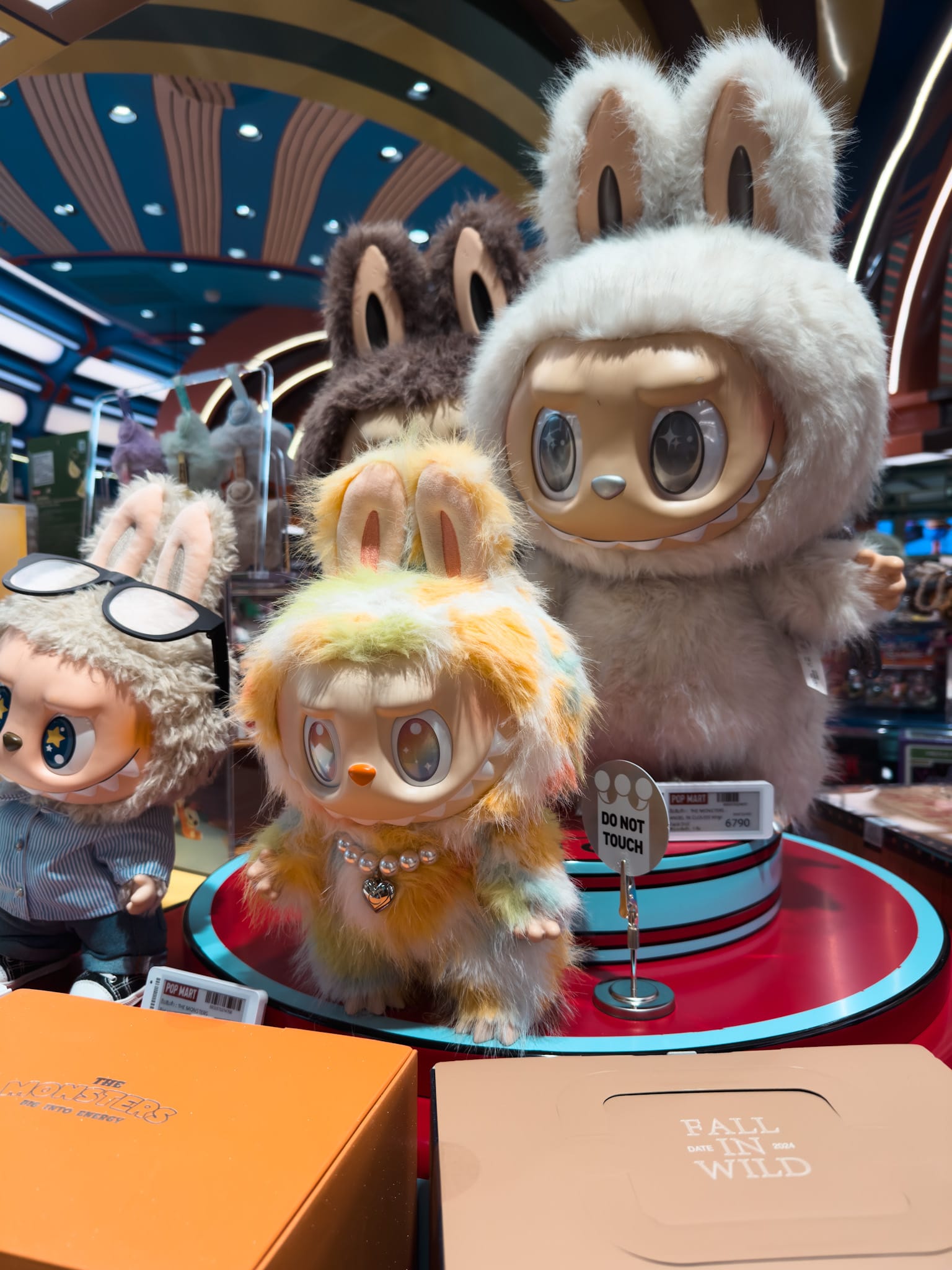
Earlier that day, we explored another corner of Chinatown: Song Wat Road. One of the shortest streets in Bangkok, it is nevertheless rich with character. Along its narrow stretch, young couples paused for carefully staged photographs while cafés spilled out onto the sidewalk. Set in one of the city’s older riverside districts, the street is lined with historic storefronts now occupied by trendy matcha bars, coffee shops, and clothing boutiques. I could easily have spent an entire day there, moving from one café to the next with a book in hand. What struck me most was the way history remained visible, peeking out from weathered façades, tucked above modern signage, or found in the details overhead. It is no surprise that Song Wat has been named one of the coolest neighbourhoods in the world.
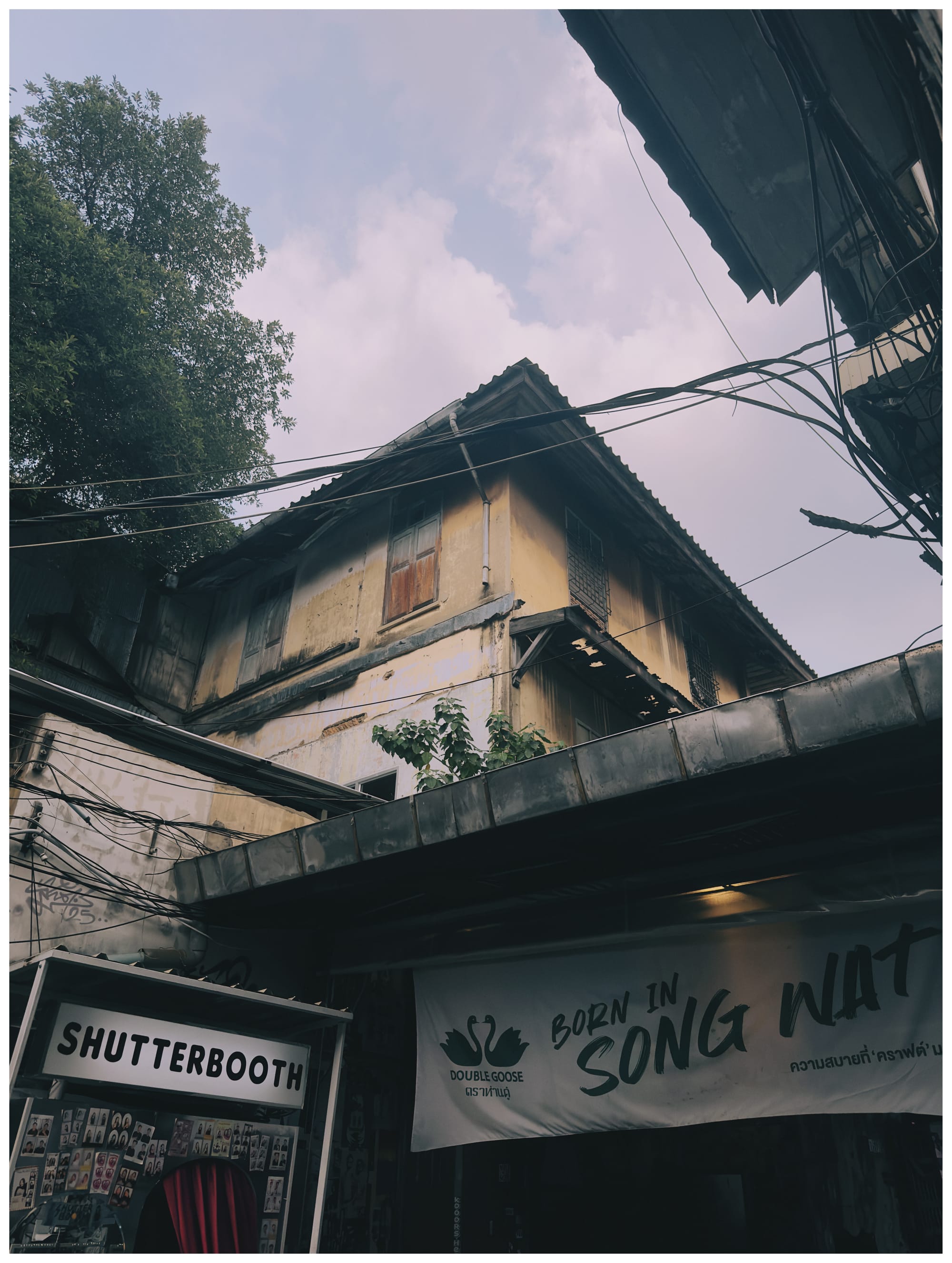
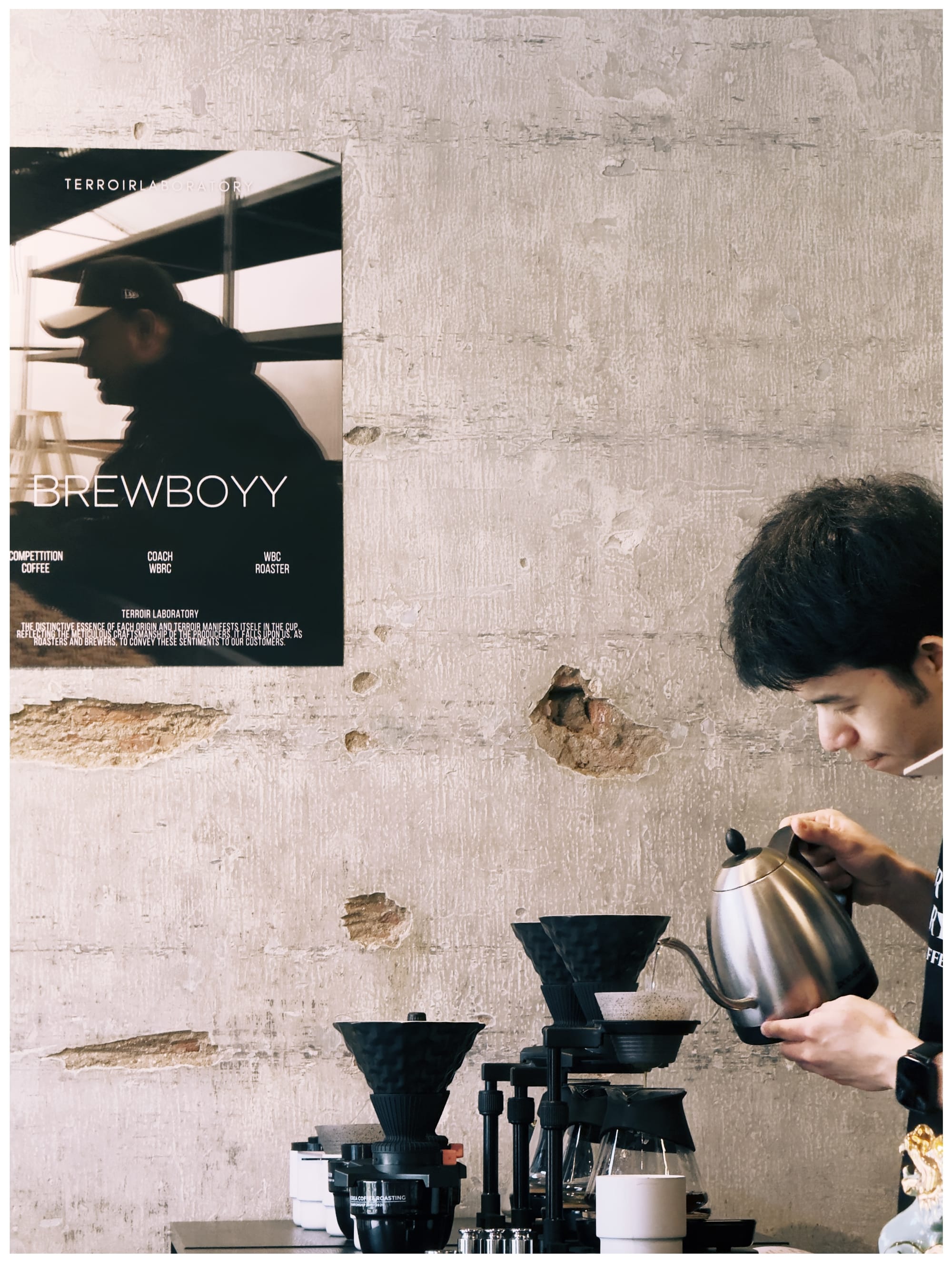
Terroir.BKK SONGWAT - a very cool coffee place.
After five days in Bangkok, I understood Craig’s meaning of texture. It was the mix of old and new, a full palette of visuals and smells, and a structured chaos unlike anything I had experienced. I returned to Kelowna and was disappointed to see only the night sky. Our sidewalks are bare of vendors and full of parked vehicles. People standing at corners waiting patiently for lights to change and following are established rules. There is life here, certainly, but it is cleaner, quieter, more orderly. After Bangkok, it can feel almost overly regimented.
I’m writing this now, three months since my time in Bangkok. I find myself hungry to go back to hear the vendors yelling out sawadee ka2, taste the savoury banana roti, and take in the ambiance of the streets and temples. I miss it more with each passing day—the noise, the heat, the improvisation of it all.
Some cities impress you. Bangkok lingers.
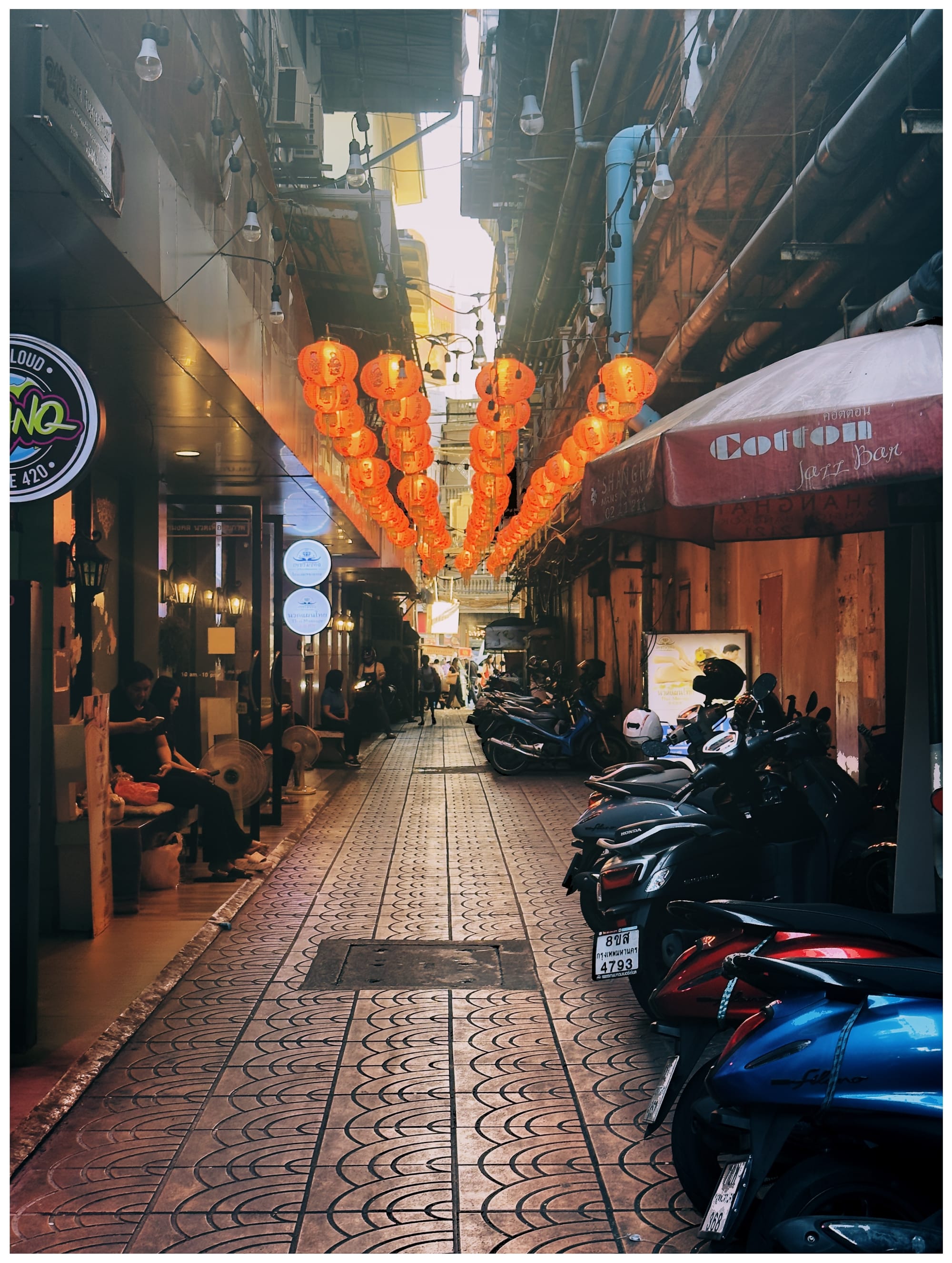
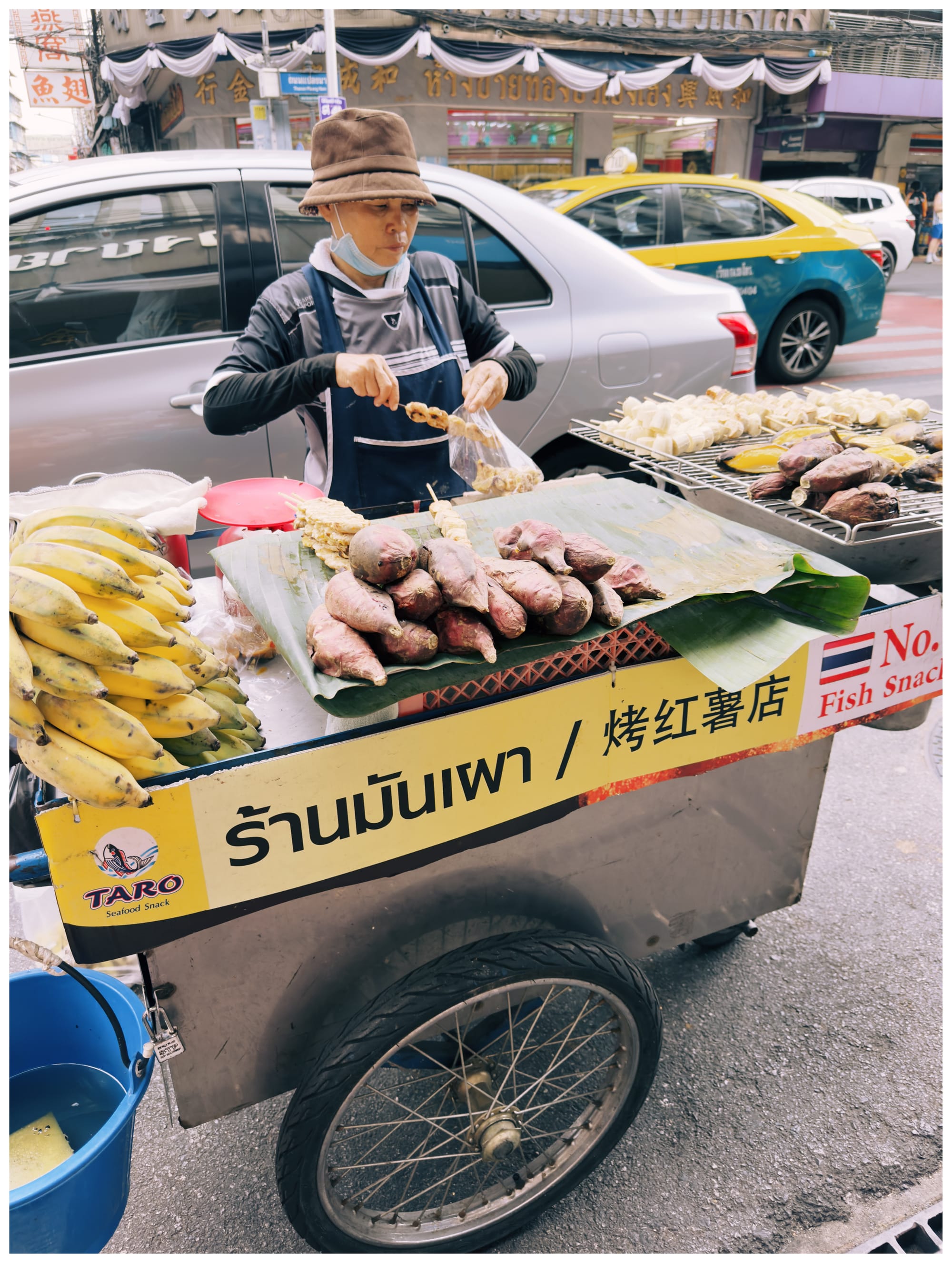
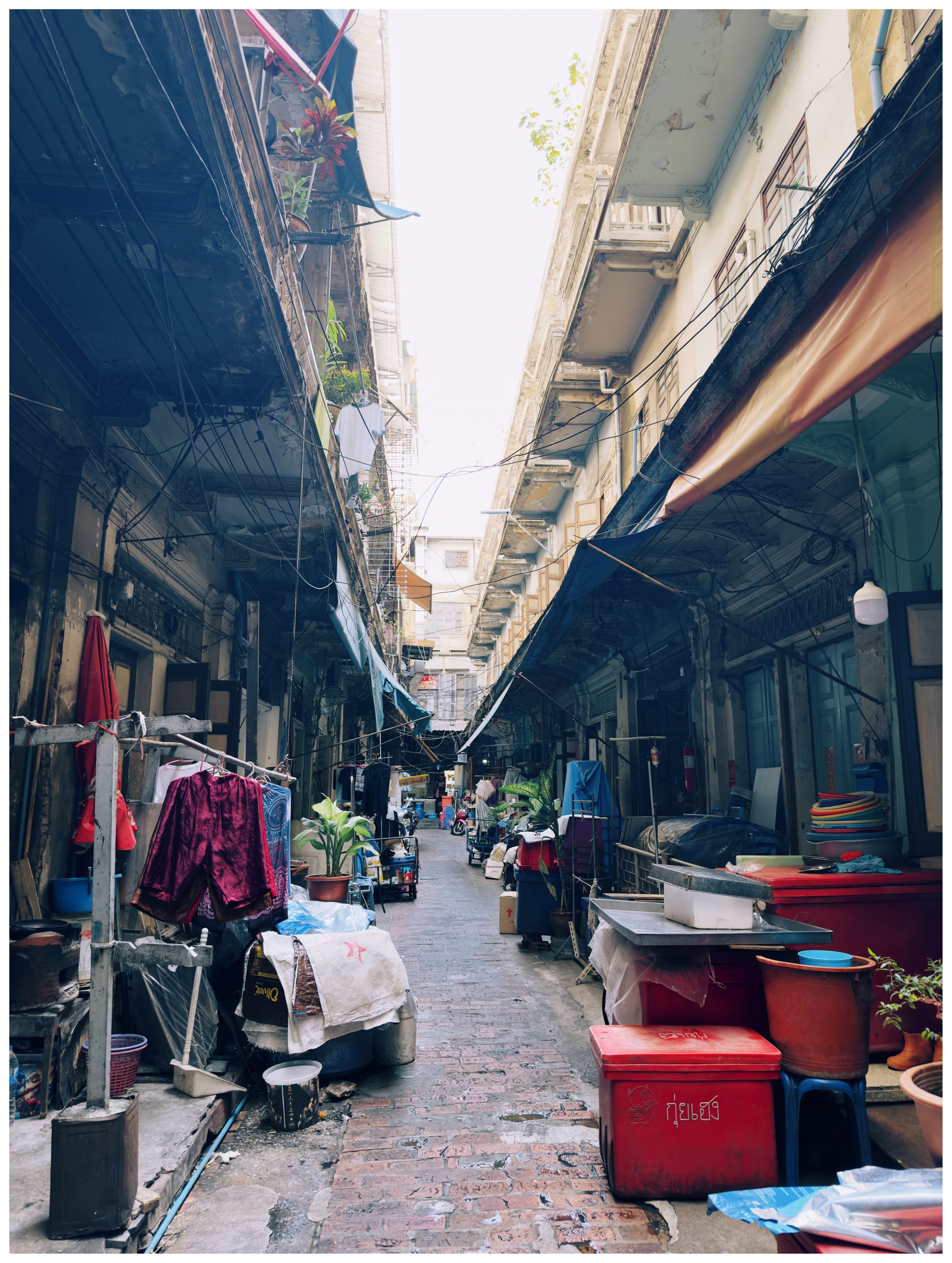
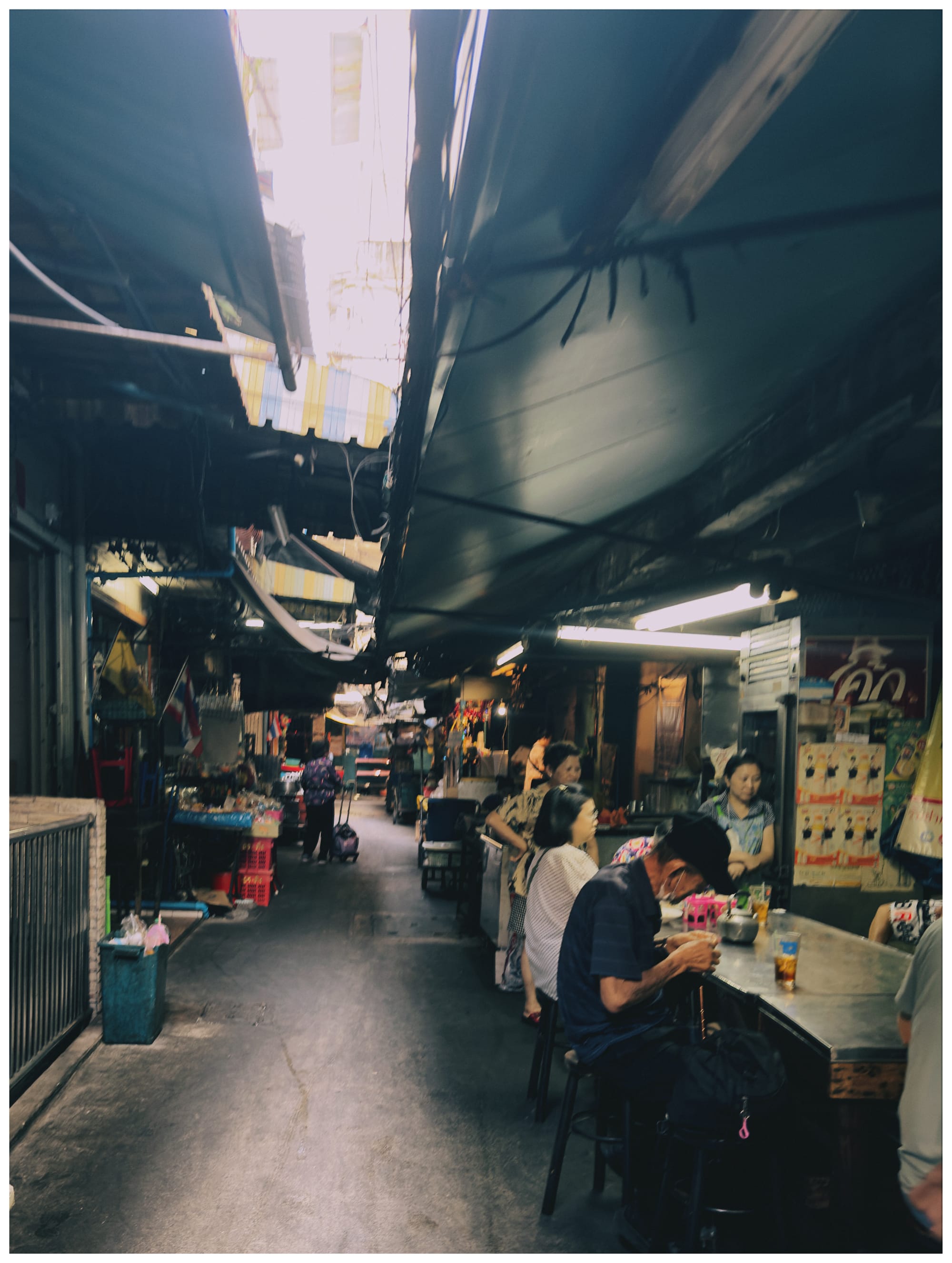
- The history of this area is fascinating. The Chinese traders were displaced by the King from the other side of the Chao Phraya River over 200 years ago to make room for the Grand Palace. Just over a kilometre in length, it is full of life, having over a dozen gold shops, apartment buildings, and other retail shops. Plus all the incredible restaurants and food stalls.
- Which means “Hello” in Thai, and when said by a man it is sawasdee khrap.
Member discussion